
K’gari (Fraser Island), the world’s largest sand island and a World Heritage gem, offers raw, uncrowded surfing on its exposed east coast. With 75 Mile Beach catching consistent southeast swells and occasional northeast pulses, you’ll find powerful beach breaks, peeling point setups, and near-empty lineups — if you’re up for the adventure. Think shifting sandbars, dingoes on the dunes, crystal lakes inland, and marine life everywhere. No crowds, no high-rises — just pure, wild Queensland surf in a stunning natural playground. Access via barge/ferry + 4WD essential; bring your own gear and respect the risks! 🏝️🦈

Surfing Fraser Island
Barrels on 75 Mile Beach, shifting sandbars & wild K’gari freedom
Fraser Island Surfing Overview 🏄
K’gari’s east coast picks up solid SSE swells (less filtered than sheltered mainland spots) plus summer NE influences — delivering raw beach and point breaks with plenty of power. Uncrowded due to remoteness, sharks, dingoes, and logistics (barge from Rainbow Beach/Hervey Bay + 4WD permit). No surf schools/hire widely available — self-sufficient surfers thrive here. Pair with inland adventures (Lake McKenzie, rainforests) or beach camping for full immersion.
Key Surf Spots on Fraser Island (K’Gari)📍
K’Gari’s wild eastern beaches deliver raw, uncrowded surf in a remote World Heritage setting. All spots are unpatrolled, 4WD-only access, and require serious respect — shifting sandbars, powerful rips, and sharks are real factors. Never surf alone, tell someone your plans, and check tides/weather.
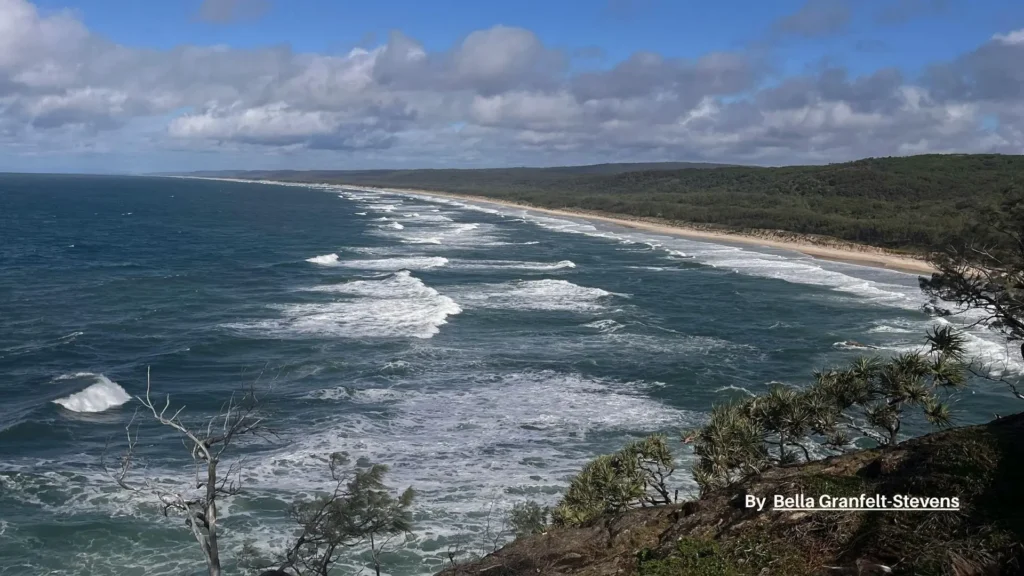
Maheno Beach — Iconic stretch of 75 Mile Beach near the Maheno Shipwreck. Exposed beach break with reliable lefts and rights over shifting sandbars — consistent year-round and works on most tides. Fun peaks for intermediates/advanced; best with west offshore winds. Epic sessions with the rusting wreck as a dramatic backdrop. Perfect for combining surf with sightseeing and photos.
Waddy Point — Northeast headland near Champagne Pools and Indian Head Lookout. Classic right-hand point break over rock/reef that peels with south/southwest offshore winds. Punchier and more consistent in winter; rewarding for experienced surfers chasing longer rides. Popular nearby campsite but constant shark sightings reported — stay alert and surf in a group.
Indian Head (Tukkee Wurroo) — Exposed northern point/rocky headland break. Fast, hollow rights on east-southeast swells with west winds; handles size well for barrels and powerful sections. Advanced surfers only — remote, scenic with excellent whale watching from the cliffs (June–November). Very sharky waters; never surf alone.
East Coast Beach Breaks (75 Mile Beach General) — Long, open stretches south of Maheno. Powerful, shifting sandbar peaks that can get heavy and rippy on bigger swells. Fun for exploration — drive south for less-trafficked zones. Variable but rewarding; check tides for safe access and watch for step-offs that can create strong currents.
(Important Note): All spots are remote and unpatrolled — high-clearance 4WD with low-range is essential. Conditions change fast with sand movement and tides. Step-offs from skis or boards can reduce shark risk on some sessions. Always carry a PLB, first aid, plenty of water, and check QPWS conditions reports.
Best Time to Surf Fraser Island 📅
Surfable year-round with warm water (boardshorts most days; springer or light wetsuit top in winter if you feel the chill). The island’s east coast faces the open Pacific, so it picks up a wide range of swells — but remoteness and shark activity mean most surfers visit for multi-day 4WD adventures rather than quick day trips.
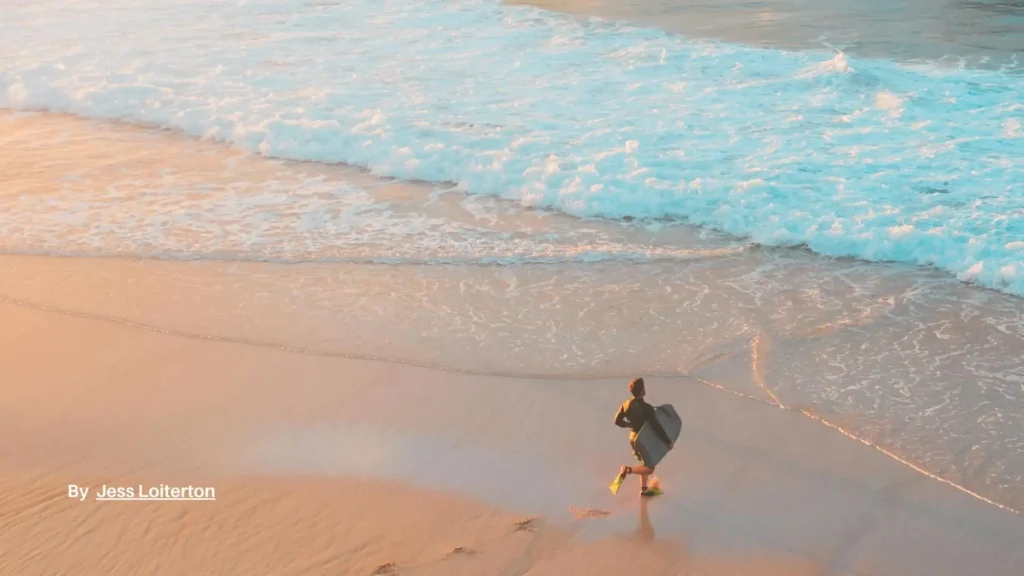
Peak seasons:
Winter (May–August) ❄️ — Strongest SSE swells, cleaner offshore mornings (west/southwest winds ideal). Bigger, more consistent waves — best for experienced surfers. Waddy Point and Indian Head really shine in June/July. Fewer crowds and excellent whale watching as a bonus.
Autumn/Spring (March–May & September–November) 🌸 — Balanced conditions: reliable but manageable swells, cleaner mornings, and fewer crowds. Great for progression and intermediate surfers wanting quality without the winter size.
Summer (December–February) ☀️ — NE swells add playful variety — fun, smaller sessions with warmer water. More variable with possible afternoon onshores and higher stinger risk. Best for relaxed, tropical vibes when combined with lake swimming and sightseeing.
Best overall: Winter for size and consistency; shoulder seasons (autumn & spring) for cleaner, friendlier waves and easier conditions. Early mornings almost always perform best before any sea breezes kick in.
Swell & Wind: SSE in winter is prime; NE/ENE in summer adds fun. West winds = cleanest faces. Tides & Access: Check tide charts carefully — high tide can close beach driving sections; low tide exposes more bars but increases rips. Crowds: Very light compared to mainland beaches — you can often have peaks to yourself. Forecast Tip: Use Surfline, BOM, or local 4WD tour operators for updates. Combine with your Agnes Water or Bundaberg pages for a full Coral Coast/Fraser surf itinerary.
🌊 Example forecast for Indian Head (Fraser Island East Coast)
🚩Exposed east coast break on Fraser Island. Best on east swells with west offshore winds—check conditions carefully due to rips and isolation⚠️

☀️Forecast updates on page refresh—check back for latest!
Indian Head firing on those east coast swells? Turn your remote K’gari surf session into a full island adventure with epic add-ons that showcase the world’s largest sand island—join a full-day 4WD coach tour hitting the highlights, explore hidden lakes and rainforests, or take a boat tour for beaches, wildlife, and lunch on the water. These top-rated experiences from Hervey Bay or Rainbow Beach are perfect complements—book below!
Skill Levels 🏅
Fraser Island’s east coast is raw, powerful, and unforgiving — not a beginner destination. The west side is calm and flat (great for SUP/kayaking but no surf). This is true wilderness surfing where conditions change quickly and help is far away.
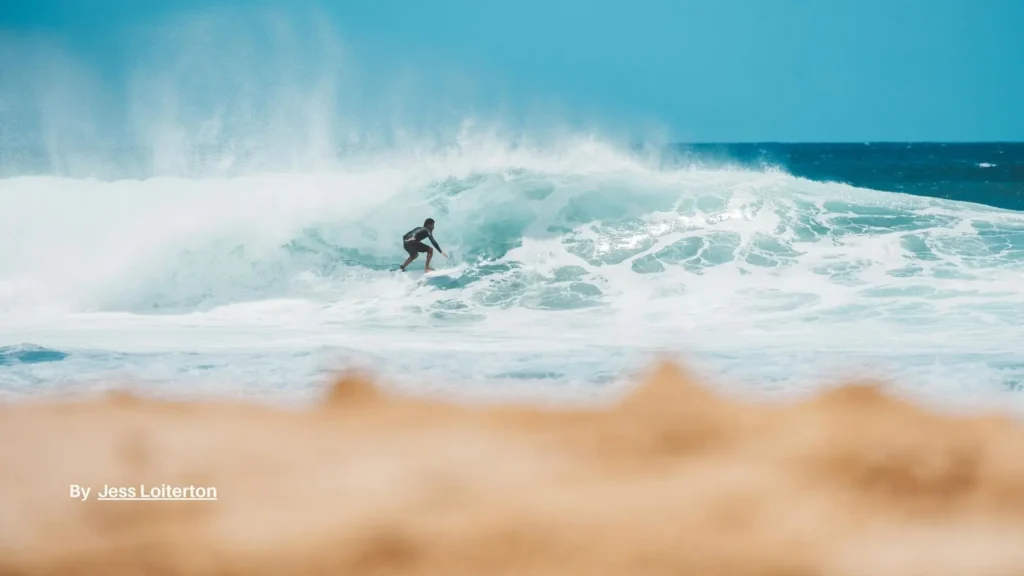
Beginners — Not ideal. The east coast is too powerful, rip-prone, and remote for safe learning. Stick to patrolled mainland beaches like Bargara or Woorim until you’re confident. Intermediates — Manageable on smaller days at Maheno Beach (forgiving peaks over sandbars) and Waddy Point (when the point is working nicely). Good for practising turns and longer rides, but only with solid ocean knowledge and in appropriate conditions. Advanced — Prime territory. Indian Head and Waddy Point on bigger swells deliver fast, hollow rights and barrels. Exposed east coast beach breaks (75 Mile Beach) offer powerful, shifting sandbar peaks that can get very heavy. Longboards work well on mellower days; shortboards and step-ups shine when it’s pumping.
Only surf here if you’re comfortable with remote, sharky waters and have strong paddling fitness. Many experienced surfers combine it with a multi-day 4WD camping trip.
Local Surf Culture 🌴
True wilderness vibe — 4WD camping, barge adventures, and a small crew of hardcore surfers sharing empty waves with dingoes, whales, and sharks. K’Gari has one of Queensland’s most raw and respectful surf scenes — low-pressure, no crowds, and no ego.
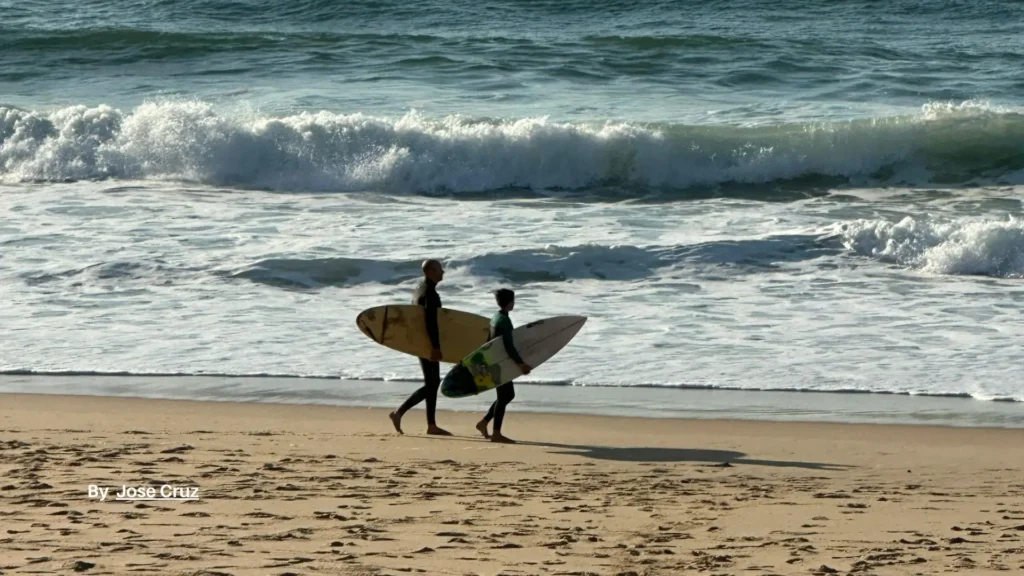
It’s not commercial or beginner-oriented. You’ll meet self-sufficient adventurers who live for the stoke of scoring empty barrels with a shipwreck backdrop or watching whales breach while waiting for sets. Lineups are small and friendly — a nod, a smile, and shared respect for the powerful ocean and fragile environment.
Post-surf life is simple: campfires on the beach (where permitted), cold drinks from the esky, stories under the stars, and leaving no trace. Respect dingo-safe rules, stay mindful of marine life, and embrace the “pack in, pack out” island ethos.
This is surfing as it once was — pure nature, self-reliance, and unforgettable empty-wave moments.
Don’t miss:
- Sunrise sessions at Maheno with the shipwreck glowing in the early light
- Sunset at Waddy Point after a solid surf
- The unique feeling of having kilometres of beach to yourself
Surf Safety & Conditions ⚠️
K’Gari’s east coast is one of Queensland’s most serious surf environments — powerful waves, strong rips, heavy shorebreak, and no lifeguards. Everything here is at your own risk. Many experienced surfers treat it as an advanced adventure rather than a casual surf trip.
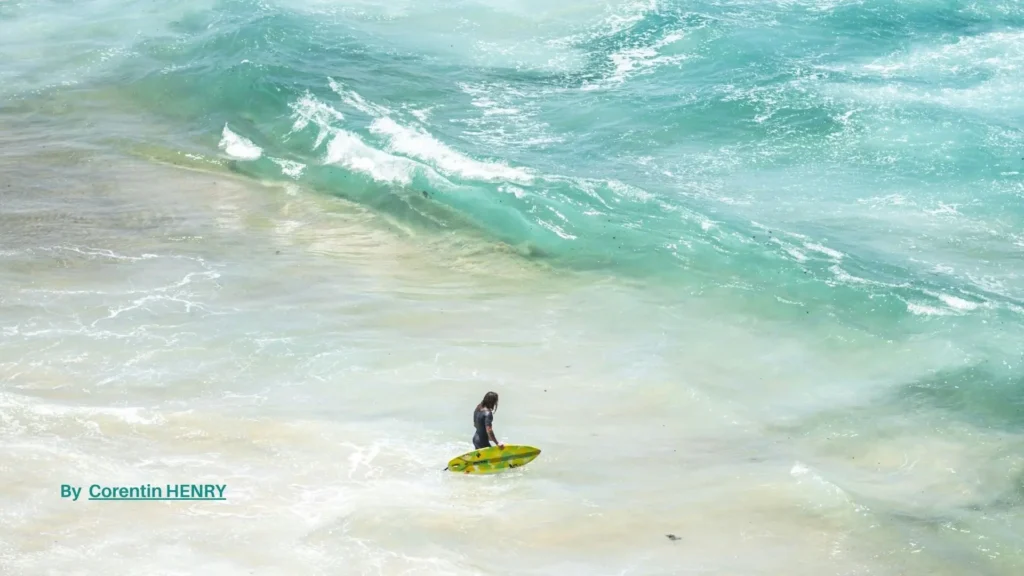
Waves & Rips: Powerful, shifting sandbar breaks with strong rips and heavy shore dump, especially on bigger swells. Conditions change fast — never surf alone and always have an escape plan.
Sharks: Abundant in this healthy marine ecosystem. Frequent sightings, especially around the northern points and in murky water. Avoid dawn, dusk, and after rain. Step-offs from skis or boards can reduce risk at some spots. Many surfers use personal shark deterrents.
Marine Stingers: High risk November–May (box jellyfish and bluebottles). Rash vests or full stinger suits are essential during the warmer months.
4WD & Access: Critical. Drive only 2 hours either side of low tide on firm sand. High tides can block sections (e.g. Eli Creek). Soft sand, washouts, and logs are constant hazards. High-clearance 4WD with recovery gear is mandatory.
Other Hazards: Dingoes, marine debris, erosion drop-offs, strong currents, and isolation. Carry a Personal Locator Beacon (PLB), first aid kit, plenty of water, fuel, and a satellite phone or emergency comms.
General Advice: Always check conditions via BOM, Surfline, and QPWS (Queensland Parks & Wildlife Service) reports. Know your limits, surf in a group, and tell someone your plans and return time.
Patrol Information: None — completely unpatrolled. Surf at your own risk and with full preparation.
Quick Safety Tip: If caught in a rip — stay calm, don’t fight it, paddle parallel to the shore, and signal for help.
🏄♂️ Surfing Directory
- Surfing Queensland ➜
- Surfing Gold Coast ➜
- Surfing Sunshine Coast ➜
- Surfing Agnes Water & Central Coast ➜
- Surfing Stradbroke Island ➜
- Surfing Moreton Island ➜
- Surfing Bribie Island ➜
- Surfing Bundaberg ➜
- Surfing Mackay ➜
- Superbank ➜
- Learn to Surf ➜
- Beginner Surfing Guide ➜
- Queensland Surf Events Calendar 2026 ➜
🔗 Explore More
➕ Explore more surf breaks | Surfing Queensland ➜ Fraser Island Beaches ➜ Moreton Island Surfing ➜ Champagne Pools Guide ➜
Queensland Beach Guide contains affiliate links. This means if you click on certain links and make a purchase, we may earn a small commission at no extra cost to you. We only recommend products and services we genuinely believe will help our readers. All opinions are our own.
Last updated: May 2026