

Surfing Sunshine Coast
World-class waves, warm water & that famous Noosa vibe
Surfing Sunshine Coast is one of Queensland’s best all-round wave destinations — stretching from Caloundra to Noosa with world-class point breaks, consistent southeast swells and a more relaxed vibe than the Gold Coast. From the famous long rights at Noosa Heads to fun beach breaks at Alexandra Headland, Mooloolaba and Coolum, it offers excellent waves for every level year-round.
Sunshine Coast Surfing Overview 🏄
The Sunshine Coast is one of Queensland’s premier surfing destinations, stretching from Caloundra to Noosa with a mix of legendary point breaks and consistent beach breaks. Iconic Noosa Heads features long, peeling right-hand points perfect for longboarding and stylish surfing, while spots like Coolum, Mooloolaba, and Alexandra Headlands offer powerful beach and reef options for intermediate to advanced surfers. It shines in winter with southeast swells but delivers fun waves year-round, especially on northeast cyclone swells, attracting everyone from beginners at gentle rollers to pros. The area boasts excellent surf culture, scenic national park backdrops, and a vibrant scene that has produced world-class surfers.
☀️ Key Sunshine Coast Surf Breaks 📍
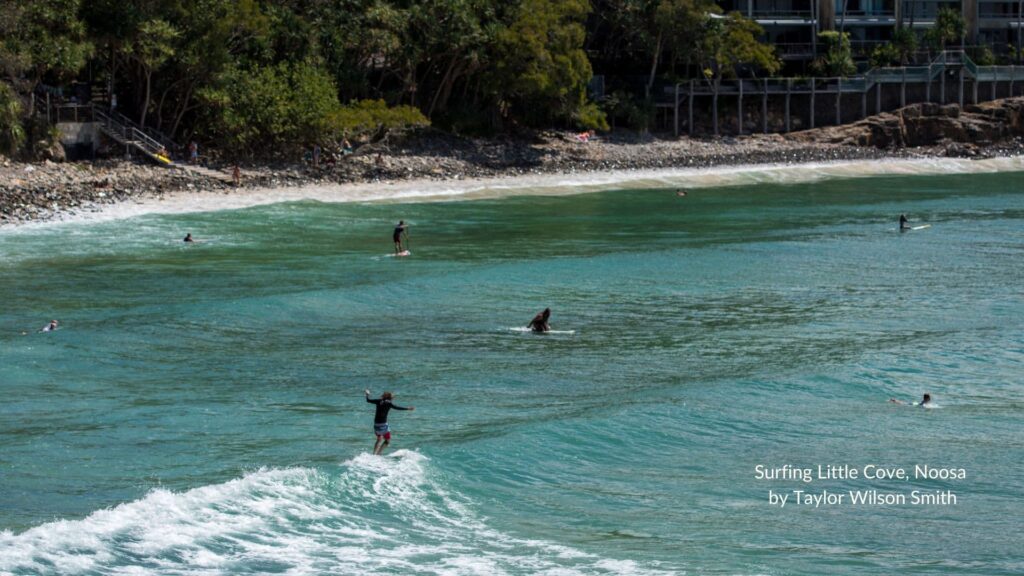
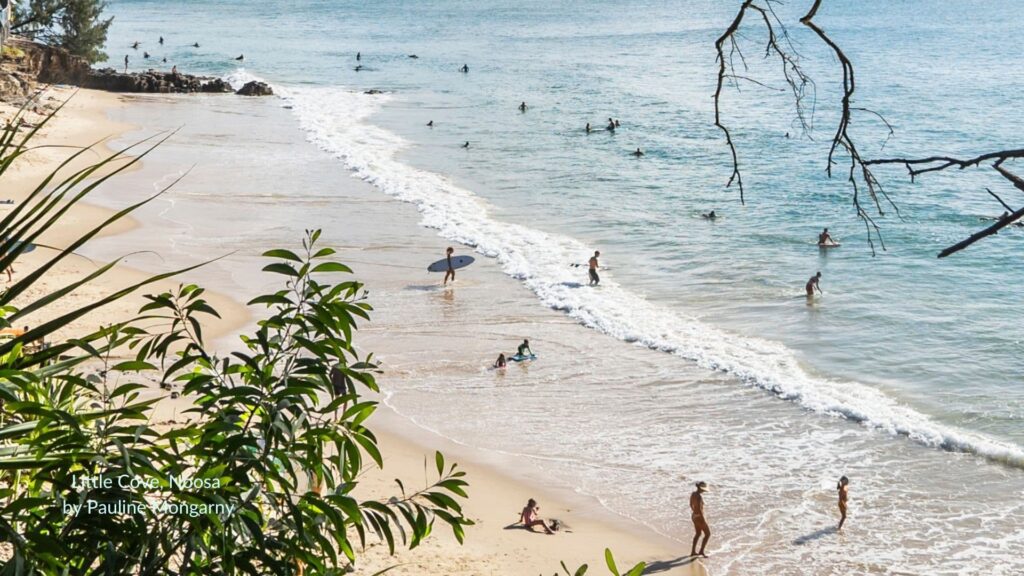
Noosa Heads (First Point / Tea Tree / National Park / Granite Bay / Johnsons) — Iconic right-hand point breaks inside Noosa National Park. Long, peeling walls with clean faces. First Point is mellow and perfect for beginners/intermediates (long rides on longboards); Tea Tree and National Park deliver faster, hollower sections for advanced surfers. Highly consistent on NE summer swells. World-class but can get crowded on good days. Scenic coastal walks and patrolled nearby.
Coolum Beach — Long open beach with shifting sandbar peaks. Fun, rippable lefts and rights for intermediates. Mellow on smaller days and less pressure than the points — great progression spot. Patrolled sections. 🌊
Wurtulla / Moffat Beach — Beginner-friendly beach breaks and protected points. Gentle rolling waves with surf schools everywhere — ideal for learners and longboarders. Family vibes, patrolled, and low crowds. 🏖️
Alexandra Headland (Alex / The Bluff) — Reliable right-hand reef/point break that leads into sand-bottom peelers. Consistent peaks for intermediates/advanced with rippable walls and occasional barrels on bigger SE swells. Central location, patrolled, great for progression, and longboard-friendly on smaller days. 🏄♂️
Mooloolaba / Point Cartwright — Powerful beach breaks and reef points (including Old Woman Island offshore). Punchy A-frames and fast tubes on SE swells. Hardcore locals’ spot for intermediates/advanced. Less crowded than Noosa — watch for rips and sharks. ⚓
Mudjimba Island (Old Woman Island) — Remote offshore reef with excellent lefts and rights when the swell aligns. Heavy, challenging paddle but very rewarding for advanced surfers. 4WD/boat access or long paddle. Sharky waters — surf with caution. 🦈
(Note): Noosa points are inconsistent without NE swell; beach breaks are more reliable on SE swells. Conditions change quickly with sand movement — always check cams daily (Surfline, Coastalwatch).
Minor Sunshine Coast Surf Breaks – Hidden & Beginner-Friendly Spots
These lesser-known gems offer uncrowded waves, forgiving conditions, and scenic vibes — perfect for families, longboarders, or anyone wanting to escape the main point crowds. 🌿
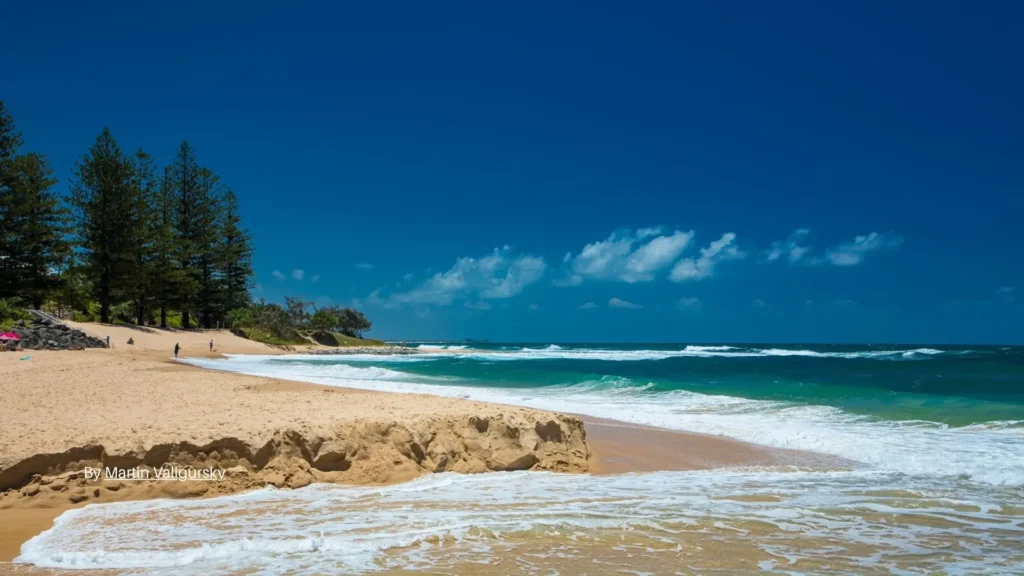
Moffat Beach → Consistent right-hand point with nice peelers on smaller swells. Great for intermediates and relaxed family days with picnic areas.
Dicky Beach → Peaky beach break that works on most tides. Beginner-to-intermediate friendly with longboard walls when clean.
Kings Beach → Sheltered beach break with gentle rolling waves. Ideal for beginners, kids, and families — calm conditions most days.
These spots shine on smaller days when the main Noosa points are too crowded or too big. Always check local conditions and respect etiquette.
📅 Best Time to Surf the Sunshine Coast
Surfable year-round with warm water (boardshorts most days; light springer or wetsuit top in winter). The Sunshine Coast picks up a great mix of NE summer swells and SE winter groundswells.
Peak seasons:
- Winter (May–August) ❄️ — Strongest SE swells deliver the most consistent beach breaks and points. Clean offshore mornings (SW winds) — best for size, power, and quality (Mooloolaba and Alex really shine).
- Summer (December–February) ☀️ — NE swells fire up the Noosa points with long, playful rides. Warmest water and fun for learners, though more variable with afternoon onshores.
- Autumn/Spring (March–May & September–November) 🌸 — The sweet spot for many. Balanced reliable swells, cleaner faces, fewer crowds, and ideal conditions for progression.
Best overall: Winter for consistency and power; summer for Noosa magic and warm tropical sessions. Shoulder seasons offer the best mix of quality and lighter crowds. Early mornings are almost always prime time.
For the latest official beach conditions and safety information, check Beachsafe.
🌊 Example forecast for Noosa heads Main Beach
📍 Iconic point break at Noosa Heads. Famous for long, peeling rights in the national park—best on NE swells with SW offshore winds. Great for all levels!

☀️Forecast updates on page refresh—check back for latest!
🏅 Skill Levels
The Sunshine Coast has excellent variety — from gentle learner waves to high-performance point breaks.
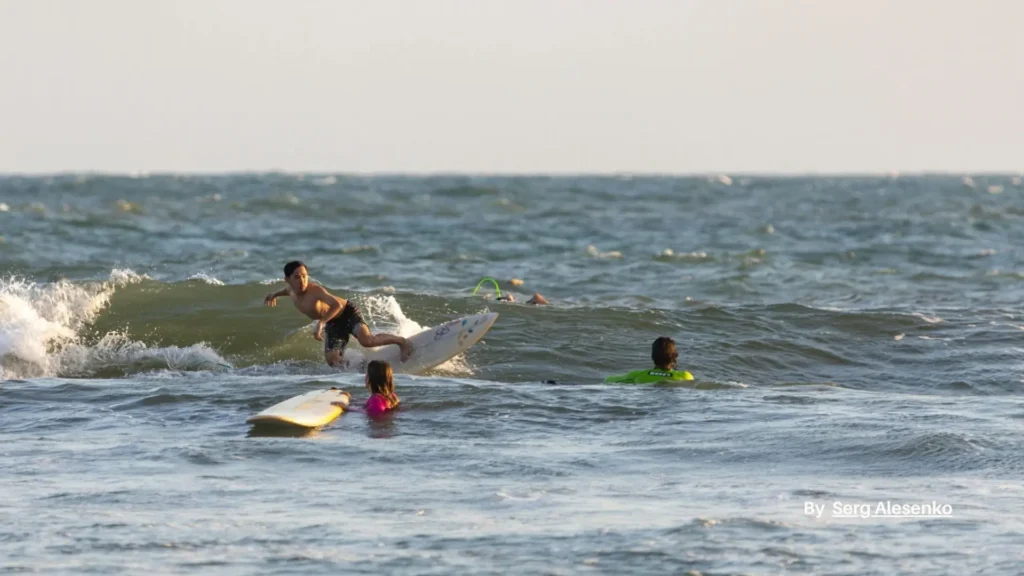
Beginners — Excellent! Currimundi, Wurtulla, Moffat Beach, Kings Beach, and Noosa Main/First Point offer gentle, patrolled waves with plenty of surf schools.
Intermediates — Prime territory. Coolum, Alexandra Headland (rippable peaks), and Mooloolaba on smaller days provide fun walls and room to progress.
Advanced — World-class options. Noosa Tea Tree/National Park (hollow rights), Mudjimba Island, and Point Cartwright (powerful/fast) challenge even experienced surfers.
Point-break culture dominates the north; beach-break variety rules the south. Longboards thrive on mellower days.
🌴 Local Surf Culture
Relaxed, welcoming Sunshine Coast vibe — a great mix of locals, families, eco-travellers, and Brisbane weekenders. Friendly lineups (especially in learner areas), regular dawn patrols in Noosa, and a strong longboarding scene make it one of Queensland’s most approachable surf regions.
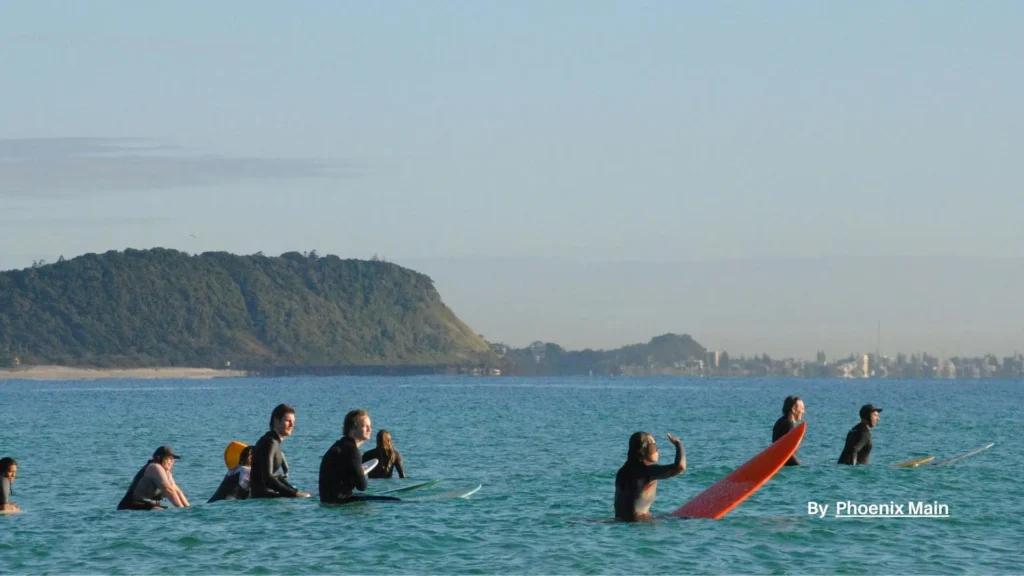
It’s noticeably lower-key and more chilled than the competitive Gold Coast. You’ll see plenty of smiles, wave sharing, and respect for the environment (especially national park rules). Post-surf life is classic: beachside coffees, fish & chips, or watching the sunset from the headlands.
This is proper Queensland coastal living — surfing, nature, and good times without the heavy ego.
⚠️ Surf Safety & Conditions
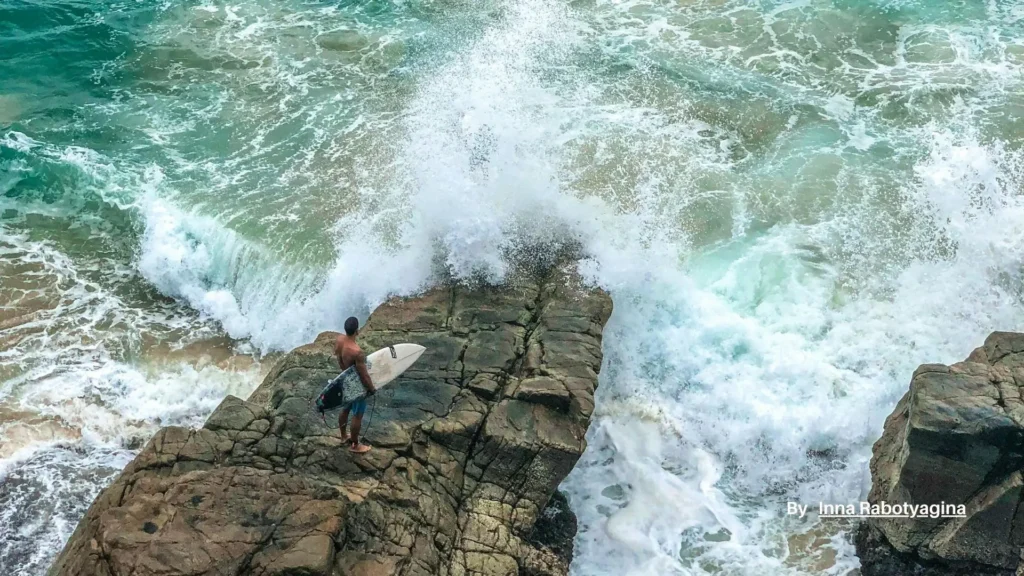
Rips & Currents: Common on beach breaks — always surf between the flags and follow lifeguard advice.
Powerful Points: Noosa and Mudjimba can get heavy — paddle wide, respect locals and priority rules.
Sharks: Possible in this healthy ecosystem — avoid dawn/dusk and murky water.
Marine Stingers: November–May — rash vests or stinger suits recommended.
General Advice: Sandbanks shift constantly. Always check Surfline, BOM, or Coastalwatch and surf within your limits.
Patrol Information: Most main beaches (Noosa, Mooloolaba, Coolum, Moffat, etc.) are well patrolled during peak season.
🏄♂️ Surfing Directory
- Surfing Queensland ➜
- Surfing Gold Coast ➜
- Surfing Agnes Water & Central Coast ➜
- Surfing Stradbroke Island ➜
- Surfing Moreton Island ➜
- Surfing Fraser Island ➜
- Surfing Bribie Island ➜
- Surfing Bundaberg ➜
- Surfing Mackay ➜
- Superbank ➜
- Learn to Surf ➜
- Beginner Surfing Guide ➜
- Queensland Surf Events Calendar 2026 ➜
🔗 Explore More
➕ Explore more surf breaks | Surfing Queensland ➜ Sunshine Coast Beaches ➜ Gold Coast Surfing ➜ Fraser (K’Gari) Island surfing ➜ Moreton Island Surfing ➜ Stradbroke Island Surfing ➜
Queensland Beach Guide contains affiliate links. This means if you click on certain links and make a purchase, we may earn a small commission at no extra cost to you. We only recommend products and services we genuinely believe will help our readers. All opinions are our own.
Last updated: August 2026
When is the best time to surf the Sunshine Coast?
The best time to surf the Sunshine Coast is March to October, when consistent southeast swells and cleaner conditions dominate. Autumn and early winter often produce the highest quality waves at Noosa and the point breaks.
Is the Sunshine Coast good for beginner surfers?
Yes. The Sunshine Coast is excellent for beginners. Protected beach breaks at Coolum, Currimundi, Alexandra Headland and parts of Noosa offer gentle, rolling waves with plenty of surf schools and soft-top boards available.
What are the best surf breaks on the Sunshine Coast?
The standout breaks are Noosa Heads (especially First Point and Tea Tree), Alexandra Headland, Mooloolaba, Coolum and the points around Caloundra. Noosa is famous for its long, peeling rights when the sandbanks and swell align.
How crowded is surfing on the Sunshine Coast compared to the Gold Coast?
Significantly less crowded than the Gold Coast. While Noosa can get busy on weekends and good swell days, most Sunshine Coast breaks have far more space and a more relaxed local vibe.
Do you need a wetsuit to surf the Sunshine Coast?
Most of the year boardshorts or a spring suit are fine. Water temperatures are similar to the Gold Coast (roughly 20–26°C). A light 2mm top or full suit is only needed on cooler winter mornings.
Where can I take surf lessons on the Sunshine Coast?
Quality surf schools operate at Noosa, Coolum, Alexandra Headland and Mooloolaba. Most offer group and private lessons suitable for all ages and ability levels.