Shielded from big southerly swells by Moreton Island, Bribie picks up filtered ENE/NE pulses and local windswells — delivering playful, forgiving waves ideal for progression or chill family days. Super accessible from Brisbane (~1 hour drive); no 4WD/ferry hassles for the main beach. Great intro spot for learners; combine with island exploration, cafes, or nearby Moreton Island day trips.🏝️🏄♂️

Surfing Bribie Island
Playful forgiving waves, family days & easy Brisbane access
Bribie Island Surfing Overview 📅
Bribie Island offers relaxed, beginner-friendly surfing mainly at Woorim Beach on its eastern surf side, protected from southerly swells and winds by Moreton Island. It delivers small, rolling beach breaks (usually 0.5–1.5m) ideal for learners and longboarders, with gentle lefts and rights on sand bottoms. Best conditions come with northeast to east swells during summer cyclone season, while the northern tip can produce better waves on bigger swells but requires more effort to access. Crowds are light, the beach is patrolled, and it’s one of the closest surf options to Brisbane.
Key Surf Spots on Bribie Island 🏖️
Bribie Island’s eastern (ocean) side offers a long, beautiful stretch of surf beach protected by Moreton Island — delivering small, user-friendly waves ideal for beginners, families, longboarders, and relaxed sessions. Most of the surf action is concentrated in a few key areas:
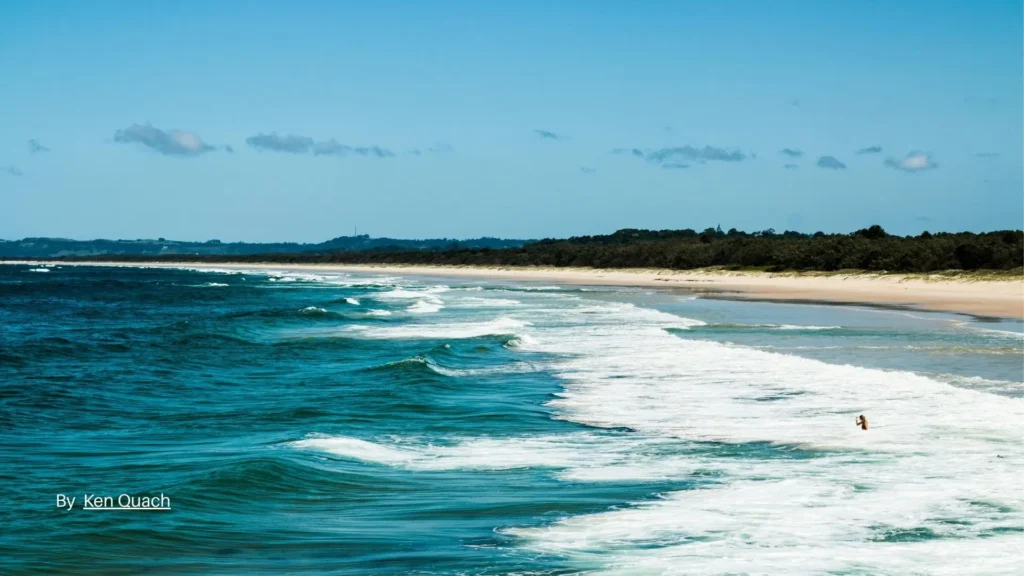
Woorim Beach → Main patrolled surf beach; consistent small rolling waves (0.5-1m average, occasional chest-high on ENE/NE swells); soft mushy peaks, great for beginners/boogie boarding/longboarding; family-oriented with lifeguards, playgrounds nearby. ☀️ Note: Protected setup means low rips most days; waves build on rising tide toward high for best shape. Can get fun 1-1.5m+ on bigger pulses but rarely heavy.
Ocean Beach → The wilder, northern extension of Bribie’s ocean beach (beyond Woorim). More remote and adventurous with similar small-to-moderate beach breaks. Best accessed by 4WD; offers quieter, less crowded waves and beautiful camping spots behind the dunes. Great for experienced surfers or those wanting solitude — but never surf alone, check tides, and bring supplies. Waves can be a bit more variable and exposed further north.(Note: Mostly one main surf zone on the east side; western beaches like Bongaree are flat/calm for swimming/SUP only. Waves variable but user-friendly; best on east-northeast swells with west/southwest offshore winds. Patrolled sections Sep-May; uncrowded mid-week.)
Access: Woorim has easy car parking; Ocean Beach requires a 4WD permit for the national park beach drive. Best For: Woorim = families & learners | Ocean Beach = adventure seekers & quiet sessions. Always check Beachsafe, Surfline, or local cams, and heed flag/lifeguard advice.
Best Time to Surf Bribie Island 📅
Bribie Island’s eastern (ocean) side offers a long, beautiful stretch of surf beach protected by Moreton Island — delivering small, user-friendly waves ideal for beginners, families, longboarders, and relaxed sessions. Warm water year-round means boardshorts or a light springer most days, with a light top only needed in the coolest months.
- Peak seasons:
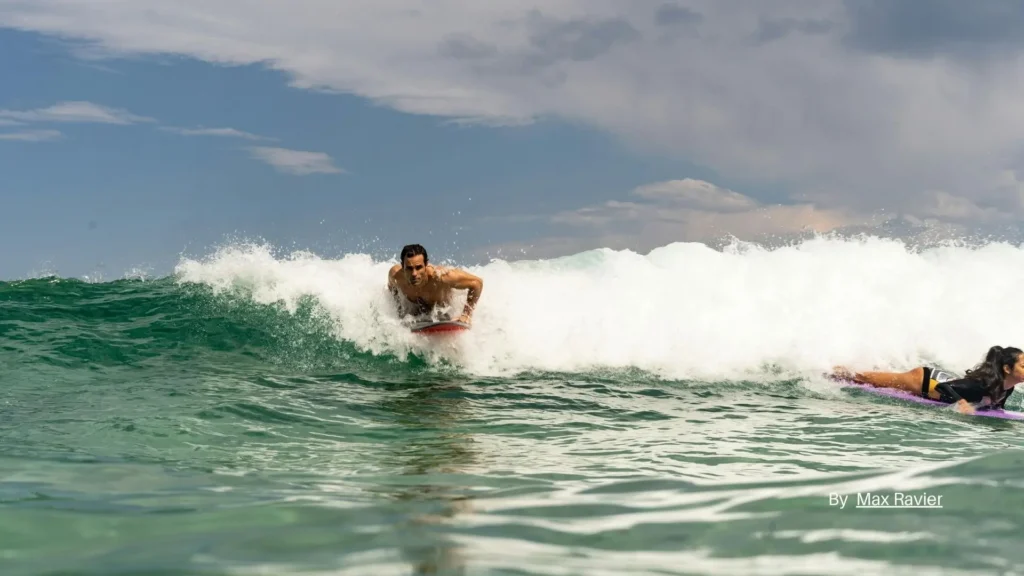
- Summer (November–February) ☀️ — ENE/NE swells bring consistent small-fun waves (0.5–1.5m+ on good pulses); warmer water, playful sessions — best for beginners and families. Cyclone swells from the north can turn it on nicely.
- Autumn/Spring (March–May & September–October) 🌸 — Balanced, cleaner mornings with reliable but mellower swells. Fewer crowds, great for progression, style, and longer rides. Many locals rate this as the sweet spot for quality.
- Winter (June–August) ❄️ — Occasional SSE boosts; more variable but offshore mornings (W/SW winds) can deliver tidy small sets. Water still relatively warm compared to southern beaches.
Best overall: Summer for size, consistency, and warmth; shoulder seasons (autumn & spring) for cleaner, less busy waves and glassy conditions. Protected by Moreton Island, Bribie stays rideable when many southern spots get blown out by strong southerlies.
Swell Direction: Best on ENE/E/NE swells. South swells are heavily blocked by Moreton Island, keeping things smaller and safer. Wind & Tide: West/southwest offshore winds = cleanest faces. Waves often build nicely on a rising tide toward high. Crowds: Rarely packed — mid-week and early mornings are especially quiet. Forecast Tip: Check Surfline, Beachsafe, or local cams. Woorim is the easiest to read; Ocean Beach can be a bit more exposed further north.
🌊 Example forecast for Woorim Beach (Bribie Island)
🚩Protected east-facing beach break on Bribie Island. Best on east-northeast swells with west/southwest offshore winds—check conditions for occasional rips on bigger days and patrolled zones. ⚠️

☀️Forecast updates on page refresh—check back for latest!
Waves firing at Bribie’s beach breaks? Make the most of your island visit with fun, easy-access adventures that suit the relaxed Sunshine Coast vibe—paddle through calm mangrove channels by kayak, explore hidden WWII bunkers on a 4WD tour, or join a full-day 4×4 beach trip with stunning coastal views. These highly rated experiences from nearby are perfect add-ons to your surf day—book below!
Skill Levels 🏅
Bribie Island (especially Woorim Beach) is one of South East Queensland’s best beginner-to-intermediate destinations thanks to its protected, small rolling waves and forgiving beach breaks.
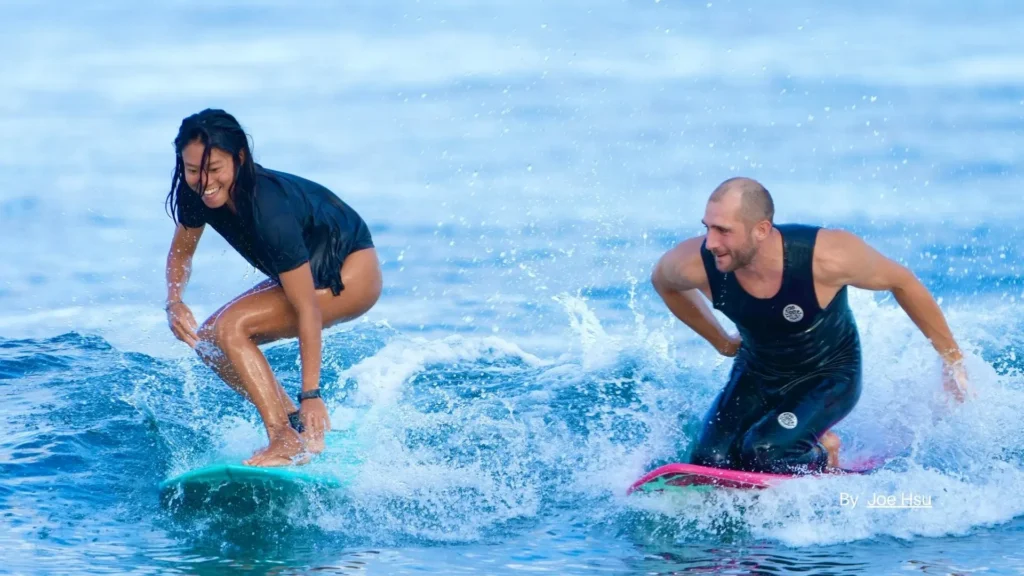
Beginners — Perfect! Small, rolling waves at patrolled Woorim are ideal for learning to pop up, catching whitewater, longboard rides, or boogie boarding. Soft mushy peaks and low-power waves build confidence without overwhelming you. Many first-timers and families start here — plenty of surf schools and board hire right at the beach.
Intermediates — Lots of fun on good ENE/NE swells. Plenty of room to practice turns on mushy peaks, work on trimming, cutbacks, and linking sections. Longer rides than you’d expect on a beach break, especially on a rising tide. Great for progressing without the heavy crowds or consequences of bigger spots.
Advanced — More limited power and consistency compared to the Sunshine Coast points or exposed breaks on Moreton/Stradbroke. This is the place for relaxed, fun sessions, refining style, or just enjoying a mellow surf when the southern beaches are too big or blown out. Serious wave hunters often head north for more challenge — but Bribie shines for pure enjoyment and variety.
If you’re unsure of your level, start at Woorim with a lesson from one of the local surf schools — they cater brilliantly to all abilities.
Local Surf Culture 🌴
Easy-going family island vibe — locals, day-trippers from Brisbane, and holidaymakers sharing uncrowded lineups in a genuinely welcoming atmosphere. Bribie has a laid-back, community-focused surf scene that feels a world away from the busier southern beaches.
The Bribie Island Surf Life Saving Club (established 1923) sits right behind Woorim Beach and is the heart of the local scene — think post-surf coffees at nearby cafés, fish & chips on the sand, cold drinks at the Surf Club bistro with ocean views, and regular community events. You’ll often see groms, grandparents, and everyone in between sharing waves with big smiles and plenty of encouragement.
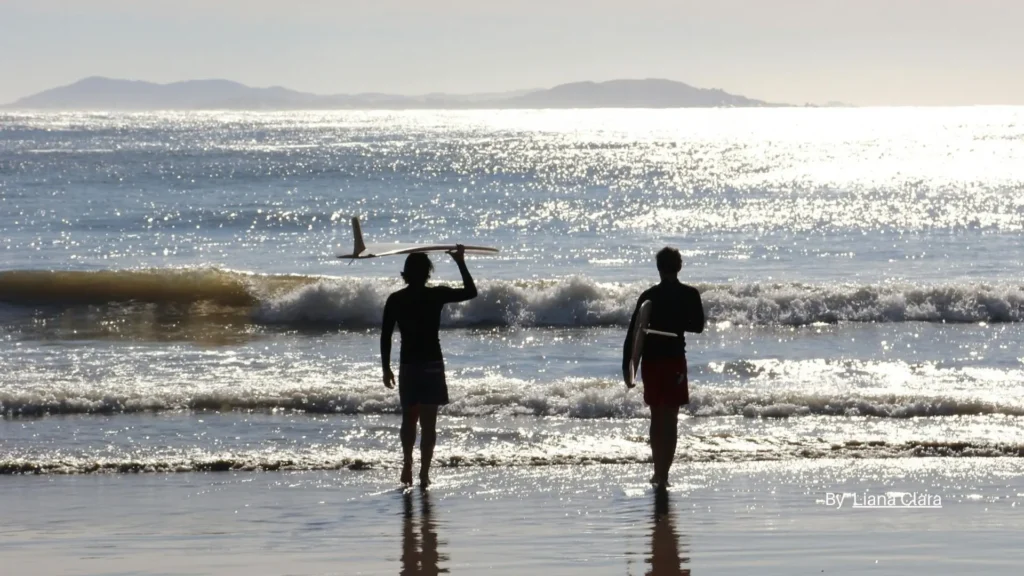
It’s low-pressure, no-ego surfing — respect the flags and patrolled areas, and you’ll fit right in. The island’s mix of permanent locals, caravan park regulars, and weekend escapees creates a friendly, inclusive feel. Mid-week or early mornings you’ll often have the waves almost to yourself.
Don’t miss:
- Community events at the Surf Club (markets, carnivals, and the annual “Blessing of the Surf”)
- Casual post-surf hangs at Woorim cafés or the Bribie Island Hotel
- The chilled barefoot, family-first energy that makes Bribie one of Brisbane’s favourite weekend surf getaways
This is classic Queensland island surfing — relaxed, safe, and all about good times in the water rather than performance pressure.
Surf Safety & Conditions ⚠️
Bribie Island’s protected eastern beaches (especially Woorim) deliver small, forgiving waves that are generally safer for beginners and families than many mainland spots — but like all ocean beaches, they still require respect and awareness.
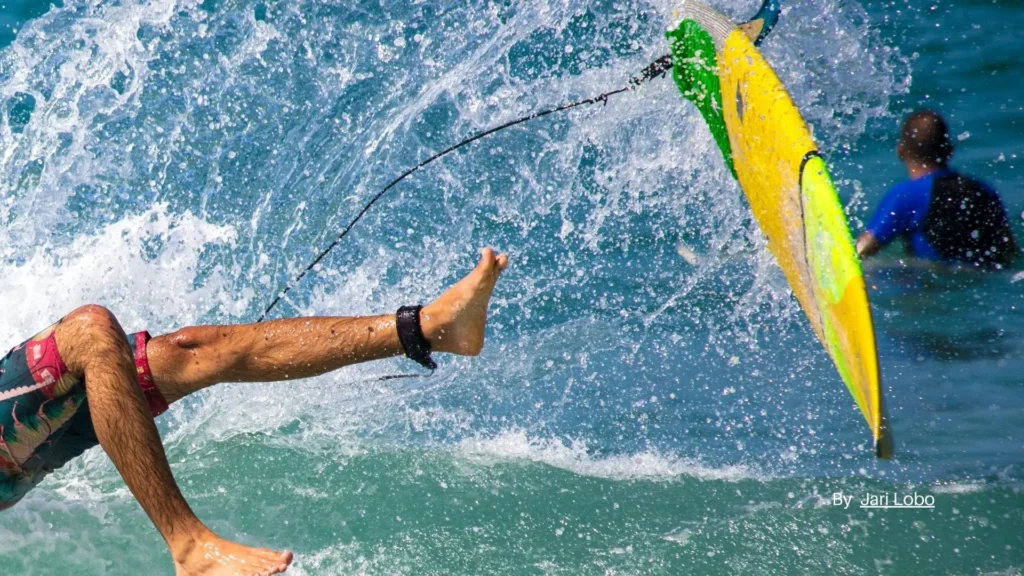
Waves & Rips: Small waves most days (0.5–1m), but rips and longshore drag can develop on bigger swells (>1m) or with southerly winds. Always swim/surf between the red and yellow flags at patrolled Woorim Beach. Rips are more common at low tide and after bigger pulses.
Sharks: Occasional sightings in this healthy bay ecosystem (fish attract them). A tragic fatal incident occurred at Woorim in early 2025, so extra caution is advised. Surf in groups, avoid dawn/dusk and murky water, and always heed shark alarms or beach closures. Drumlines are in place, but never surf alone — especially at remote Ocean Beach.
Marine Stingers: Bluebottles are common year-round; tropical species (including box jellyfish) possible November–May. Wear rash vests or full stinger suits during the warmer months and check daily signs/lifeguard advice.
Tides & Sandbars: Rising tide to high often gives the best wave shape. Low tide exposes shallow bars and can create stronger rips or heavy shore dump. Plan sessions around the tide chart.
Ocean Beach (4WD area): Remote and unpatrolled — dangerous rips, no lifeguards, vehicle traffic, and soft sand hazards. Never surf alone here. Drive only with a proper 4WD, vehicle access permit, and two hours either side of low tide.
General Advice: Bring sunscreen, plenty of water, and respect no-trace rules. Always check current conditions via Beachsafe app, BOM, Surfline, or local cams. Surf within your limits and know your escape plan if caught in a rip (stay calm, paddle parallel to shore).
Patrol Information: Woorim Beach is patrolled by Bribie Island Surf Life Saving Club (one of QLD’s oldest, est. 1923) from September to May — weekends, public holidays, and school holidays. Outside these times, take extra care.
Quick Rip Escape Tip: Don’t fight it — float or tread water, signal for help, and paddle sideways once the current weakens.
🏄♂️ Surfing Directory
🔗 Explore More
➕ Explore more surf breaks | Surfing Queensland ➜ Fraser Island Beaches ➜ Moreton Island Surfing ➜ Gold Coast Surfing ➜
Queensland Beach Guide contains affiliate links. This means if you click on certain links and make a purchase, we may earn a small commission at no extra cost to you. We only recommend products and services we genuinely believe will help our readers. All opinions are our own.
Last updated: May 2026