

Surfing Gold Coast
Superbank barrels, point breaks & non-stop Goldie stoke
Surfing Gold Coast is Australia’s ultimate wave destination — a 50+ km stretch of iconic point breaks, beach peaks and consistent Southern Ocean swells. From Superbank barrels at Snapper Rocks to mellow learner waves at Currumbin, the Goldie delivers non-stop stoke year-round for every level.
Gold Coast Surfing Overview 📅
The Gold Coast thrives on angled SE swells + sand pumping (creating the Superbank), delivering world-class point breaks and powerful beachies year-round. From pro-level barrels to learner bays, it’s surf paradise — but crowds, localism at icons, and rips demand respect. Surf schools everywhere (e.g., Burleigh, Currumbin), board hire easy, and pair with beach lifestyle (cafes, nightlife). Less remote than islands — easy access via Brisbane highway.
Whether you’re a complete beginner or looking to level up, book a professional surf lesson on the Gold Coast today and ride the famous waves with expert guidance!
📍 Key Gold Coast Surf Breaks
Surfing Gold Coast thrives on angled SE swells + sand pumping (creating the Superbank), delivering world-class point breaks and powerful beachies year-round.
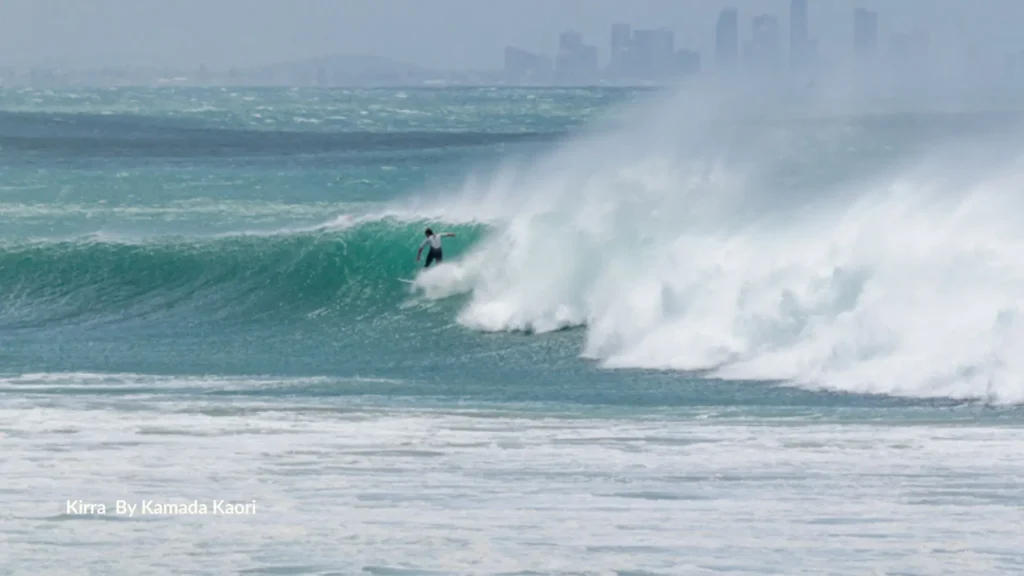
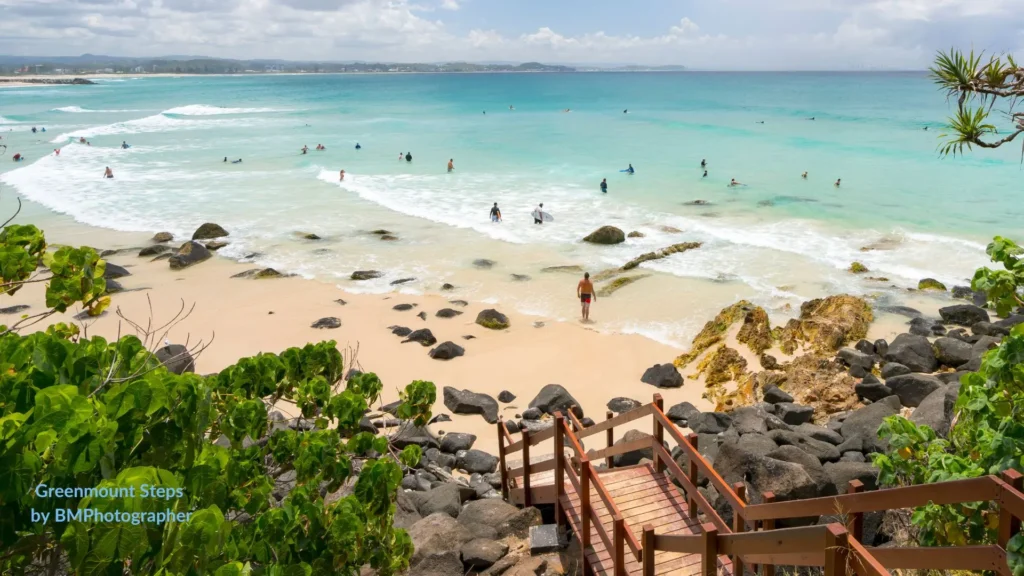
Snapper Rocks / Superbank — The world’s most famous point break and longest wave in the world (Rainbow Bay to Kirra link-up). Endless, peeling rights over sand (up to 1–2 km rides on magic days), fast and hollow when firing. Advanced/pro territory with packed lineups and strong local hierarchy. Iconic for pros and WSL events. Best on SE swells with light SW winds. 🔥
Kirra — Legendary point break just north of Coolangatta. Long, barreling rights with perfect walls — widely regarded as one of the best in the world when the sandbank aligns. Advanced level; heavy crowds and strong local vibe. Handles size extremely well and turns on with big SE pulses. One of the most photographed waves on the planet. 🏄♂️✨
Rainbow Bay / Greenmount — Links Snapper to Kirra. Fun, rippable rights with clean faces — intermediates shine here on mid-size days. Less intense than full Superbank, good warm-up spot with beautiful bay views. Often has fun smaller waves when the bigger points are busy. 🌈
Duranbah (D-Bah) — Premier beach break near Coolangatta. Powerful A-frames with ripping lefts and rights over shifting bars. Consistent and fun for intermediates/advanced — less crowded than the points, great progression spot with plenty of room to manoeuvre. Lifeguards patrol; watch for strong rips. Ideal warm-up or all-rounder.
Burleigh Heads — Classic point/reef break with long, peeling rights over rock and sand. Offers mellow to punchy sections — intermediates love the wall rides, advanced surfers chase the barrels. Scenic headland views, patrolled, and family-friendly nearby. Best on smaller-to-moderate SE swells. One of the most picturesque breaks on the Coast. 🏝️
Currumbin Alley / The Alley — Beginner/intermediate haven at Currumbin Creek mouth. Mellow, rolling rights and lefts in a protected bay — very forgiving waves, surf schools everywhere. Great for learners, longboarders, and families. Patrolled, low crowds compared to the southern points, and excellent for relaxed sessions. 🏖️
(Important Note): Conditions are very sandbank-dependent and change frequently — what was firing last week may be flat or closed out this week. Crowds peak in summer and during good swells. Respect locals at high-performance points like Snapper and Kirra (localism is real). Always check Surfline, Coastalwatch, or the Beachsafe app before heading out.
🌤️ Best Time to Surf the Gold Coast
Surfing Gold Coast is possible 365 days a year — it is one of the most consistent surf destinations in the world thanks to its east-facing coastline and reliable sandbanks..
Peak seasons:
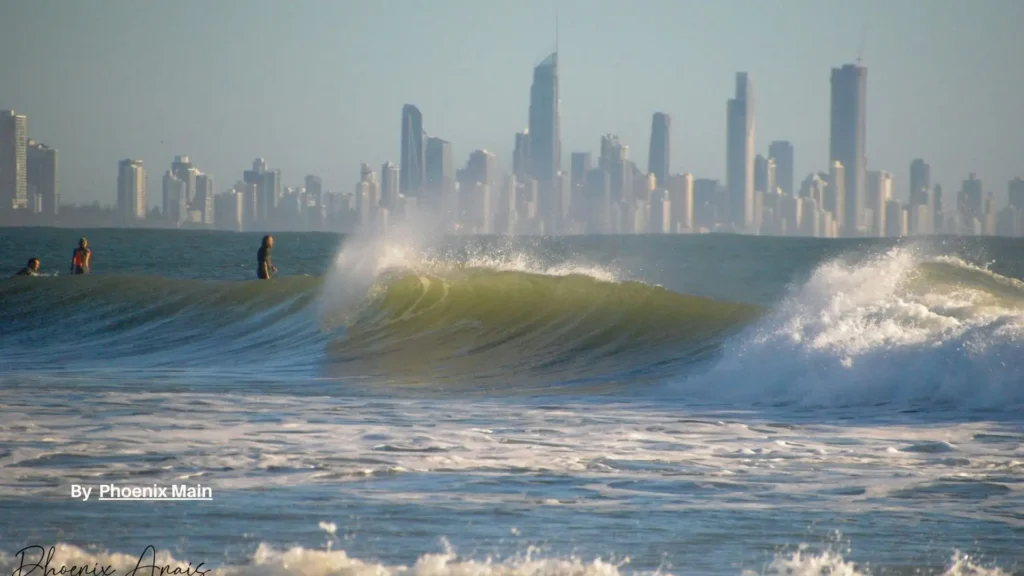
- Winter (May–August) ❄️ — Strongest SE groundswells from the Southern Ocean deliver the biggest, most powerful and consistent waves. Cleaner offshore mornings (SW winds) make the points (Snapper, Kirra, Burleigh) absolutely fire. Best for experienced surfers chasing barrels and long rides. June and July often see the most reliable action.
- Autumn/Spring (March–May & September–November) 🌸 — The sweet spot for many locals. Balanced, reliable swells with cleaner faces, mellower crowds, and excellent conditions for progression, intermediates, and learners. April–May is widely regarded as one of the best times overall — good swell, glassy mornings, and fewer tourists.
- Summer (December–February) ☀️ — Cyclone and NE swells add fun variety and playful waves. Warmer water and longer days, but more afternoon onshores and significantly busier with holiday crowds. Great for beginners and relaxed sessions at places like Currumbin Alley or Duranbah.
Best overall: Winter for raw size and power (especially at the southern points); shoulder seasons (autumn & spring) for cleaner, friendlier, and less crowded sessions. Early mornings are almost always prime time before the typical sea breezes kick in.
Water Temperature: 21–26°C year-round — very comfortable for most surfers. Swell & Wind: SE swells are king for the famous points. Light SW winds = magic offshore conditions. NE swells in summer suit the beach breaks and northern spots. Crowds: Peak in summer holidays and during big swells. Mid-week or early starts help escape the packs at Snapper/Kirra. Forecast Tip: Check Surfline, Coastalwatch, or Magicseaweed daily — sandbanks shift constantly, so conditions can change overnight. Combine with your other QLD pages for a full state surf itinerary.
🌊 Example forecast for Snapper Rocks
–iconic point break on the Gold Coast. Famous for long, peeling rights—best on SE swells with SW offshore winds. Crowded on good days! 🚩

☀️Forecast updates on page refresh—check back for latest!
🏅 Skill Levels
Surfing Gold Coast offers something for every surfer — from gentle learner waves to some of the world’s best (and most demanding) point breaks.
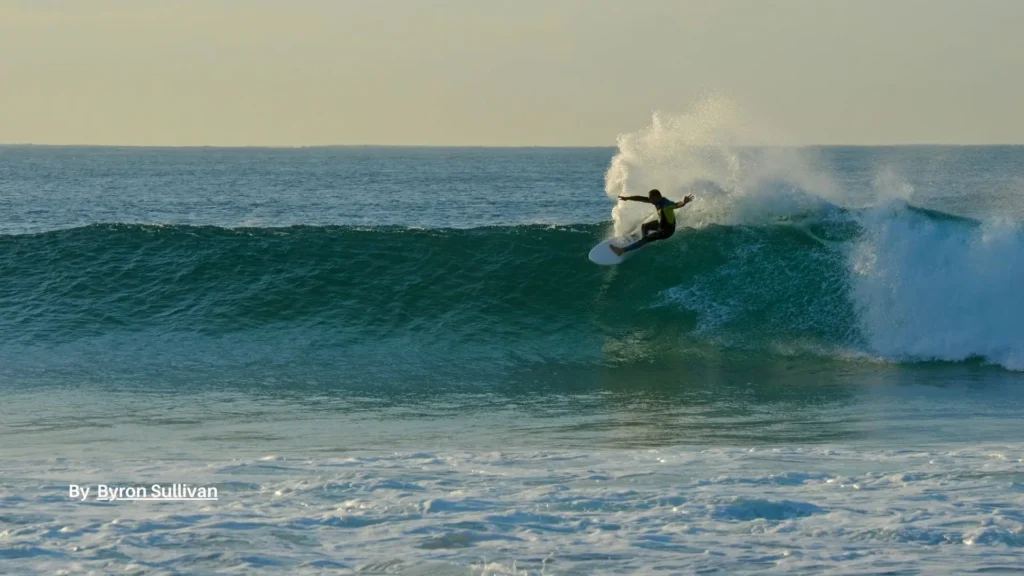
Beginners — Excellent options! Currumbin Alley (The Alley) and Greenmount/Rainbow Bay deliver gentle, rolling waves in protected areas with plenty of surf schools, soft-top boards, and patrolled beaches. Perfect for learning to pop up and building confidence.
Intermediates — Prime territory. Duranbah (D-Bah) for punchy A-frames, Burleigh Heads for wall rides, and Rainbow Bay for rippable rights. Great places to practise turns, cutbacks, and linking sections with room to manoeuvre.
Advanced — World-class. Snapper Rocks / Superbank and Kirra on good days offer long, fast, barreling rights that test speed, positioning, and wave knowledge. Handles size extremely well — pro level when the sandbanks align.
Strong point-break culture here. If you’re new to the GC, start at the northern or protected spots and work your way south as your confidence grows. Respect the lineup etiquette — especially at Snapper and Kirra.
🌴 Local Surf Culture
Vibrant, competitive, and full of stoke — the Gold Coast has one of Australia’s most dynamic surf scenes. Home to legendary pros, regular WSL events (QS and Championship Tour stops), dawn patrols, and a passionate mix of hardcore locals, interstate surfers, and international visitors.
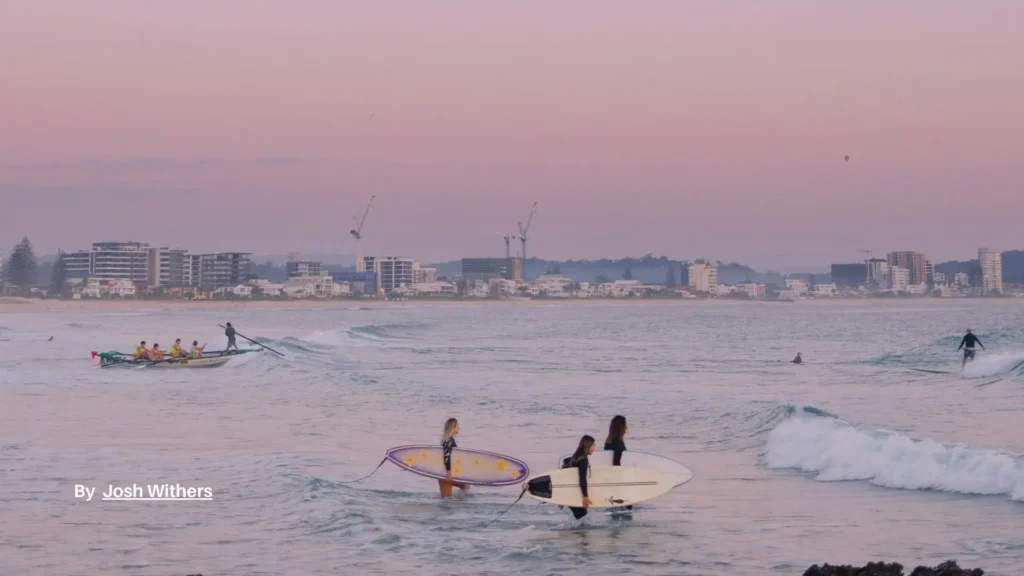
The southern points (Snapper, Kirra, Burleigh) have a strong local vibe and hierarchy — smile, wait your turn, and respect priority. Further north (Duranbah, Currumbin, Rainbow Bay) the atmosphere is noticeably more relaxed and welcoming to visitors. You’ll see everything from groms ripping on tiny boards to longboarders cruising at sunrise.
Post-surf life is classic GC: coffee at beachside cafés, fish & chips on the sand, or a cold drink while watching the next set roll in. No high-rises in the southern beach villages, but the northern end (Surfers Paradise) buzzes with energy, shops, and nightlife.
This is proper Queensland surf culture — competitive when it needs to be, but ultimately about sharing waves and celebrating the endless point-break perfection when the banks are firing.
Don’t miss:
- Watching a WSL event at Snapper or Kirra
- Early morning sessions before the crowds arrive
- The friendly banter in the more relaxed northern lineups
⚠️ Surf Safety & Conditions
The Gold Coast produces powerful, high-performance waves — respect the ocean and the locals for a safe, enjoyable session..
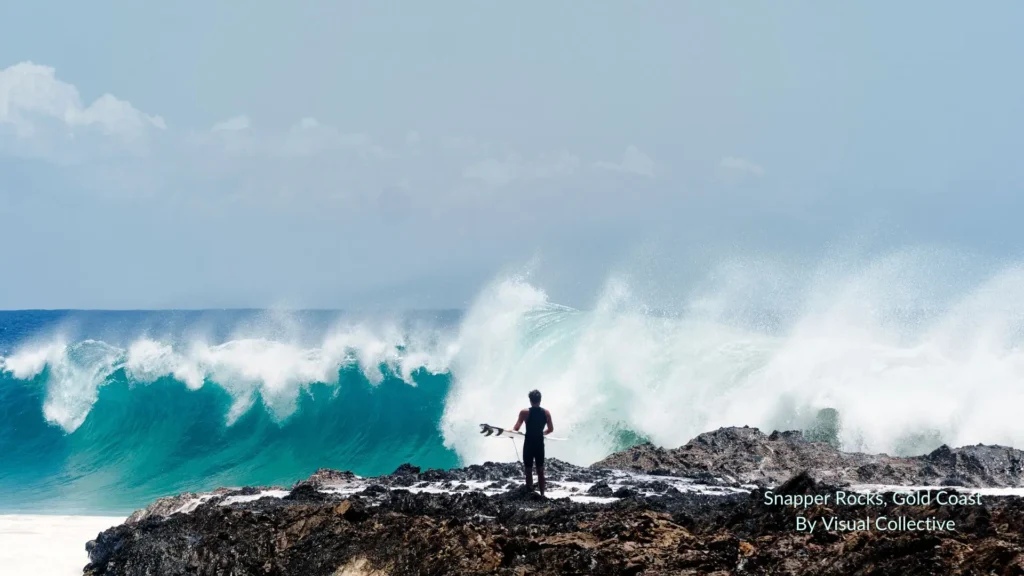
Waves & Rips: Powerful point and beach breaks with strong rips, especially around the points and river mouths. Always swim/surf between the red and yellow flags on patrolled beaches and follow lifeguard advice.
Crowds & Localism: Heavy crowds and strong local priority at iconic spots like Snapper Rocks and Kirra. Don’t drop in, paddle wide, and be patient — localism is real but fair if you show respect.
Sharks: Possible (as with most QLD beaches). Avoid dawn, dusk, and murky water after rain. Drumlines and shark alarms are in place at patrolled beaches.
Marine Stingers: Bluebottles and occasional tropical species November–May. Rash vests or stinger suits are recommended during the warmer months.
General Advice: Sandbanks shift constantly — what looked good yesterday can be dangerous today. Always check current conditions via Surfline, Coastalwatch, BOM, or the Beachsafe app. Know your limits and surf with a buddy at less-patrolled times.
Patrol Information: Most main beaches are patrolled daily during peak season (especially September–May). Take extra care early mornings or at unpatrolled sections.
Quick Tip: If caught in a rip — stay calm, don’t swim against it, paddle parallel to the shore, and signal for help.
For the latest official beach conditions and safety information, check Beachsafe.
🏄♂️ Surfing Directory
- Surfing Queensland ➜
- Surfing Sunshine Coast ➜
- Surfing Agnes Water & Central Coast ➜
- Surfing Stradbroke Island ➜
- Surfing Moreton Island ➜
- Surfing Fraser Island ➜
- Surfing Bribie Island ➜
- Surfing Bundaberg ➜
- Surfing Mackay ➜
- Superbank ➜
- Learn to Surf ➜
- Beginner Surfing Guide ➜
- Queensland Surf Events Calendar 2026 ➜
🔗 Explore More
➕ Explore more surf breaks | Surfing Queensland ➜ Gold Coast Beaches ➜ Superbank Guide ➜ North Stradbroke Island Surfing ➜ Fraser Island Surfing ➜ Moreton Island Surfing ➜
Queensland Beach Guide contains affiliate links. This means if you click on certain links and make a purchase, we may earn a small commission at no extra cost to you. We only recommend products and services we genuinely believe will help our readers. All opinions are our own.
Last updated: May 2026
When is the best time to surf the Gold Coast?
The best time to surf the Gold Coast is March to October, when consistent southeast swells and cleaner conditions dominate. Winter (May–August) delivers the biggest and highest-quality waves, especially on the point breaks.
Is the Gold Coast good for beginner surfers?
Yes. The Gold Coast has excellent beginner-friendly waves at Currumbin Alley, Rainbow Bay, Greenmount and the protected sections of Duranbah. Multiple surf schools operate right on these beaches year-round.
What are the best surf breaks on the Gold Coast?
The standout breaks are Superbank (Snapper Rocks through Coolangatta), Kirra, Burleigh Heads, Duranbah and Currumbin Alley. Superbank produces the longest, hollowest barrels while Burleigh and Currumbin offer more accessible quality waves.
Do you need a wetsuit to surf the Gold Coast?
Most of the year a 2–3mm spring suit or even boardshorts are enough. Water temperatures stay warm, but a light wetsuit is useful in mid-winter (July–August) or on early morning sessions when the air is cooler.
How crowded is surfing on the Gold Coast?
The main point breaks (especially Superbank and Kirra) get very crowded on good days and weekends. Early mornings, mid-week sessions, and secondary breaks such as the artificial reefs or northern beaches are significantly quieter.
Where can I take surf lessons on the Gold Coast?
Quality surf schools operate at Rainbow Bay, Currumbin, Surfers Paradise and Broadbeach. Most offer group and private lessons for all ages with soft-top boards and professional instructors.